Catalonia currently has 7 fully operational IMPaCT Cohort nodes, as part of the major epidemiological research project promoted by the Carlos III Health Institute (ISCIII) and managed by the Centre for Biomedical Research Network (CIBER). The project will study the health of 200,000 people representative of the population living in Spain for more than 20 years.
The Catalan nodes cover different counties and operate from designated primary healthcare centres. In the province of Barcelona, the project has a node located in Manresa (CAP Bages), another in Vallès Oriental, providing coverage from CAP Martorelles-Sant Fost, and a node in Barcelonès Sud, located at CAP La Florida (l’Hospitalet de Llobregat). In Lleida, the research is focused on the Segrià county through CAP Eixample, while in the province of Girona participants are being recruited through CAP Maluquer Salvador. Finally, southern Catalonia is covered by the Camp de Tarragona node, located in the Sant Salvador neighbourhood of Tarragona, at CAP Sant Salvador, which serves the Baix Francolí area, and by the Terres de l’Ebre node, located in Baix Ebre county, with its operational base at CAP l’Aldea, in the Delta area.
The IMPaCT Cohort has now established 51 nodes across Spain and is present in all of the country’s autonomous communities. To date, nearly 45,000 people have joined the cohort.
Understanding why we get sick to improve prevention
The IMPaCT Cohort has an ambitious goal: to gather information that will provide a better understanding of which factors determine population health and how they contribute to the development of major diseases.
To achieve this, the project studies aspects related to lifestyles, the environment, diet, social characteristics and genetics, among other factors. This information will help advance knowledge of diseases such as cancer, diabetes, Alzheimer’s disease and cardiovascular conditions, among others, and contribute to the development of prevention and precision medicine strategies tailored to the characteristics of the Spanish population.
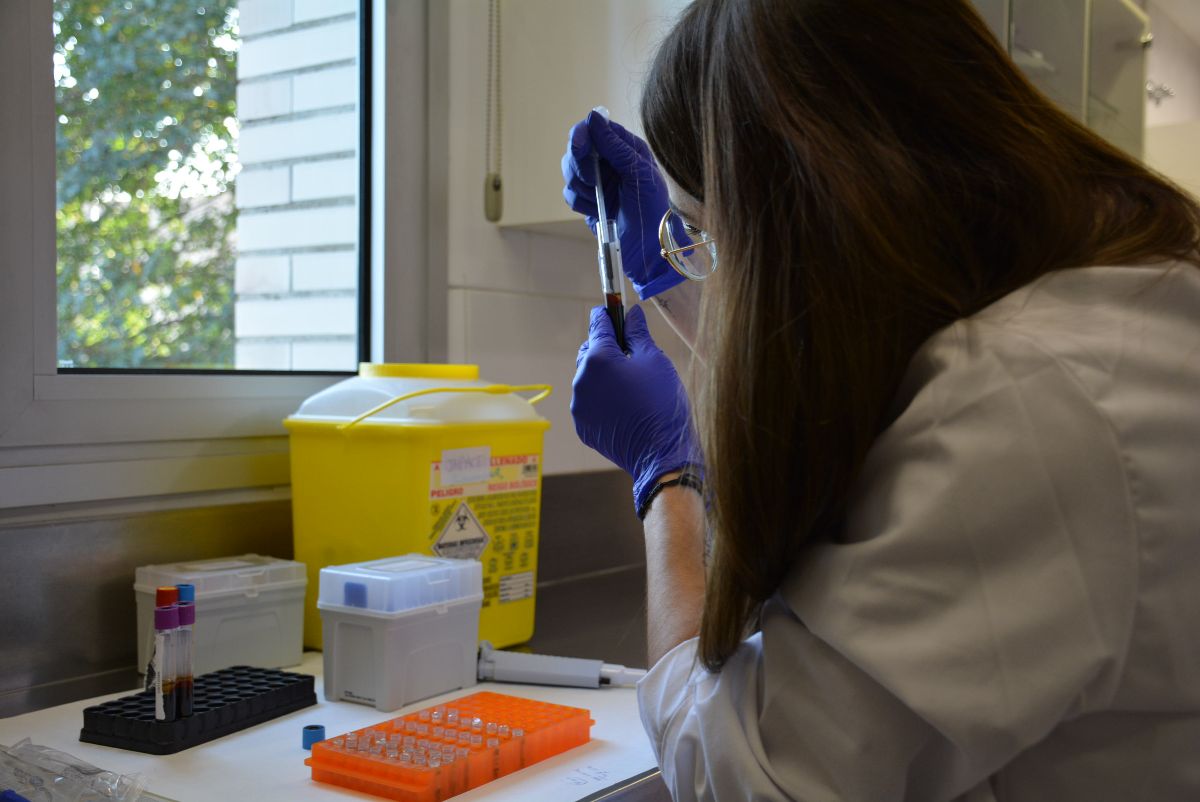
Participants, who are randomly selected to ensure that they are representative of the population, complete questionnaires and undergo physical examinations, physiological tests and biomarker analyses. These generate highly valuable scientific data that can be linked and analysed over time.
One of the key characteristics of the IMPaCT Cohort is precisely its longitudinal nature. Following participants for more than two decades will make it possible to study how their health and habits evolve and which factors may be associated with the onset or prevention of disease.
Research built around Primary Care
Primary Care plays a fundamental role in the development of the IMPaCT Cohort, as it is the main point of contact between the population and the healthcare system and a key setting for prevention and health equity.
In Catalonia, the project is coordinated through the Jordi Gol and Gurina Primary Care Research Institute (IDIAPJGol) and the Catalan Institute of Health (ICS).
In this context, Josep Basora, a specialist in Family and Community Medicine, director of IDIAPJGol and principal investigator of the IMPaCT Cohort in Catalonia, highlights the importance of the project’s territorial rollout:
“The IMPaCT Cohort represents a unique opportunity to gain a better understanding of the health of the Catalan population and of how different social, environmental and lifestyle factors influence people’s health over time. Catalonia’s participation will generate highly valuable knowledge for research, prevention and the improvement of healthcare, strengthening the role of Primary Care as an essential setting for moving towards more personalised and equitable medicine.”
Along the same lines, Marina Esquerrà, coordinator of the IMPaCT Cohort in Catalonia, highlights the work of the teams involved and the response from the public during the launch of the study:
“The development of the IMPaCT Cohort in Catalonia is progressing well thanks to the commitment of the participating teams and the positive response from the population. Setting up the seven nodes has involved a significant coordination effort, but we are pleased with the commitment of everyone who is making this project possible.”
Public participation is essential to achieving this goal. Hence the slogan that has accompanied the project since its inception: #SiEtTruquenVine – #SiTeLlamanVen.
About the IMPaCT Cohort
The IMPaCT Cohort is part of the Precision Medicine Infrastructure associated with Science and Technology (IMPaCT), promoted by the Carlos III Health Institute. The project is funded by the Carlos III Health Institute, under the Ministry of Science, Innovation and Universities, and co-funded by the European Union – NextGenerationEU.