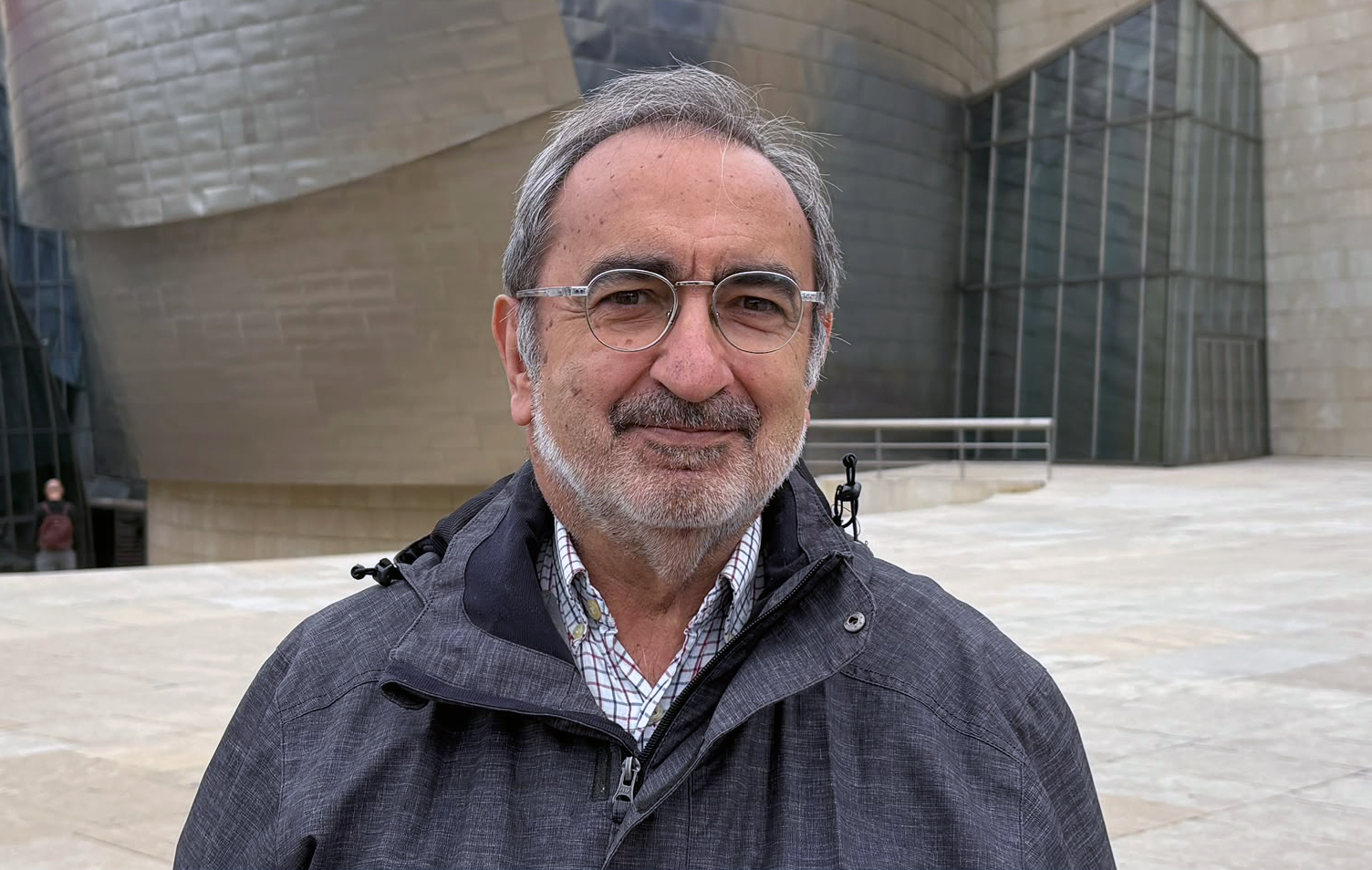
Carlos Martín Cantera is the Research Ombudsperson at IDIAPJGol, an independent figure whose mission is to safeguard scientific integrity and serve as a point of reference for researchers in cases of potential breaches of good research practice, when all mediation mechanisms within the research group and with the Institute’s management have been exhausted. Martín is a family physician, Doctor of Medicine and researcher with a distinguished career. In 2014, he was awarded the Josep Trueta Medal for Merit in Healthcare by the Government of Catalonia, which recognises professionals who have contributed to the progress and improvement of the healthcare system. In 2008, he also received the Professional Excellence Award from the Official College of Physicians of Barcelona.
The role of Research Ombudsperson is established in the Guide to Good Research Practice in Health Sciences of the Catalan Health Institute (ICS), a document that applies to all ICS-affiliated research institutes, including IDIAPJGol. The Ombudsperson is appointed by the management of each institute following a proposal from its internal scientific committee. Their role is to provide an independent and confidential space for consultation and mediation in cases of suspected scientific misconduct or conflicts relating to good research practices.
“My role is to help resolve conflicts arising from misunderstandings, poor personal relationships or procedural failures when other arbitration mechanisms have been exhausted,” explains Dr Martín, who believes it is essential to act as early as possible to prevent conflicts from escalating or becoming entrenched. “Prevention is the best way to avoid problems,” he says. In this regard, he stresses that, before starting a research project, everyone involved should clearly establish the ground rules. “This would help prevent conflicts.”
Safeguarding scientific integrity
The responsibilities of the Research Ombudsperson include responding to researchers’ enquiries, facilitating conflict resolution with discretion and confidentiality, and helping to prevent scientific misconduct. The Ombudsperson may also request the establishment of a committee of experts to investigate potential irregularities and ensure that the rights of all parties involved are respected, particularly by protecting whistleblowers against possible retaliation. This is an exceptional resource, activated only when other avenues have been exhausted.
The ICS Guide stipulates that this role must be held by an independent, suitably qualified individual of high personal integrity. Their work helps preserve the quality, rigour and credibility of research activities. “This appointment is an honour for me and represents recognition of my professional and research career,” explains Martín, who calls for greater awareness of the Research Ombudsperson’s role among IDIAPJGol researchers.
An extensive career
Carlos Martín holds a degree in Medicine and Surgery from the Complutense University of Madrid, is a specialist in Family and Community Medicine, and holds a PhD in Medicine from the Autonomous University of Barcelona (UAB). Although now retired, he remains involved in the profession as a member of various committees and groups.
Throughout his professional career, he worked as a family physician at the ICS Passeig de Sant Joan Primary Care Centre in Barcelona, combining clinical practice with teaching and research. From 1990, he was affiliated with the UAB Department of Medicine as an Associate Professor of Family Medicine. He was also involved in training medical residents and supervising doctoral theses.
His scientific career is particularly notable for his contribution to the development of research on healthy lifestyles in primary care. He led the IDIAPJGol Lifestyle Research Group, where he promoted studies focusing on smoking prevention, physical activity promotion, reducing sedentary behaviour, healthy eating and cardiovascular prevention.
Among the studies in which he has participated are EVIDENT, which examined the relationship between physical activity, diet and various indicators of cardiovascular health; SEDESTACTIV, which evaluated interventions to reduce sedentary time among people with overweight or obesity; and LESIONAT, which focused on preventing road traffic injuries through primary care.
In the field of smoking cessation, he led the TABATIC study, which demonstrated the effectiveness of information technologies as a support tool for quitting smoking, and the ISTAPS study, which demonstrated the effectiveness of structured smoking cessation advice.
His research activity has resulted in numerous publications in international scientific journals and participation in research networks focused on disease prevention and health promotion.
Commitment to a motivating working environment
The role of Research Ombudsperson also forms part of IDIAPJGol’s commitment to the Human Resources Strategy for Researchers (HRS4R), promoted by the European Commission, for which the Institute was awarded the HR Excellence in Research distinction in 2018.
This recognition certifies the Institute’s commitment to the principles of the European Charter for Researchers and to promoting a supportive working environment that respects the rights and responsibilities of research staff.