Conducting a clinical trial involving medicinal products in primary care is a lengthy and complex process. It requires funding, the relevant authorisations, coordination between participating centres, patient recruitment, and guarantees that the study is carried out in accordance with regulations and Good Clinical Practice. To facilitate this work, IDIAPJGol’s Drug Research Unit (UEM) has a specialised structure for conducting clinical trials involving medicinal products, mainly those initiated by primary care professionals themselves.
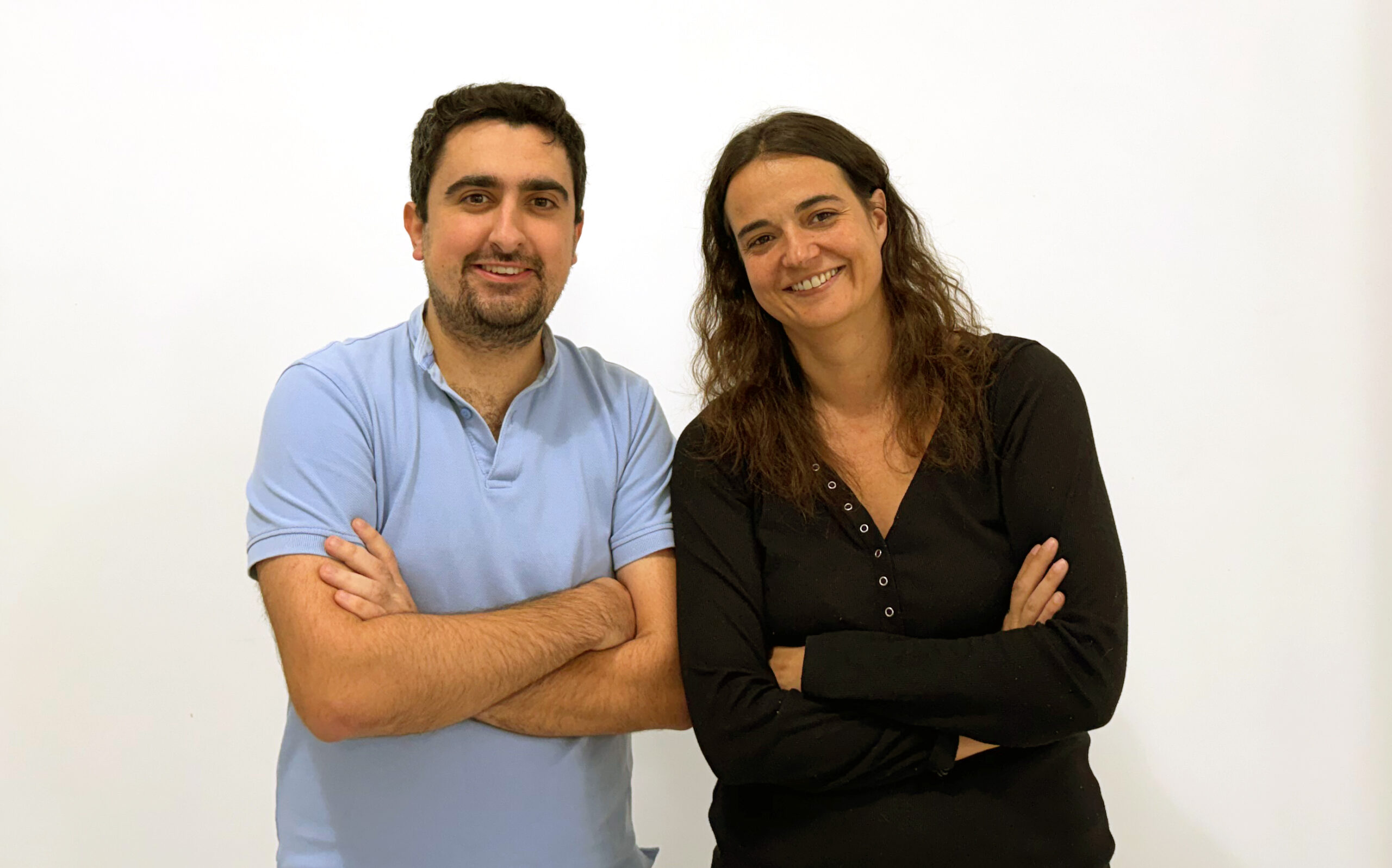
Ana Garcia Sangenís and Ramon Monfà Escolà are clinical trial managers and researchers at the UEM. They are responsible for coordinating studies and the teams involved, a complex task that requires considerable expertise. “A primary care researcher may decide to conduct an observational study independently, but it is very difficult to carry out a clinical trial involving medicinal products single-handedly,” says Monfà. “Our job is to support researchers at every stage of the process,” adds Garcia Sangenís.
This is a service equivalent to the support the Unit provides for other research methodologies. “Just as there are teams specialising in statistics and qualitative research, the UEM has specific expertise in medicinal product research. Within the Unit, we have professionals who can coordinate and oversee the conduct of clinical trials involving medicinal products,” explains Garcia Sangenís.
“A clinical trial is no ordinary research project; it requires considerable investment and a high level of coordination,” explains the UEM manager and researcher, highlighting the complexity involved in this type of research. She also points out that “clinical trials involving medicinal products and medical devices are subject to their own specific regulations, in addition to general research and ethics legislation. This means that specific rules and procedures must be followed and the relevant authorisations obtained.”
“If a researcher involves us from the outset, we help draft the proposal and identify the most suitable funding calls to secure the resources needed to carry out the trial.”
In addition to securing funding and obtaining the necessary permits, suitable centres must also be identified to conduct the trial. To do so, the UEM works closely with the Primary Care Clinical Research Management Agency (AGICAP), a network of professionals with the capacity to conduct clinical trials involving medicinal products, mainly those sponsored by the pharmaceutical industry. The UEM also supports centres interested in taking part but with no previous experience of this type of study, helping them get involved more easily.
Once the participating centres have been selected, the recruitment of patients begins. According to Monfà, this is the most challenging part of the process. “A clinical trial generally takes around three or four years,” explains the UEM manager and researcher. “The first year is spent developing the idea, securing funding and obtaining authorisations. Patient recruitment can then take a year and a half or two years. The final year is devoted to closing the study, finalising the databases, analysing the data and preparing the results report.”
Clinical trials involve several clearly defined roles that are sometimes little known, including clinical monitoring and pharmacovigilance. Garcia Sangenís explains that the monitor’s job is to “ensure that Good Clinical Practice guidelines are being followed, that patient safety always comes first, and that the quality of the results is guaranteed”. The monitor oversees the day-to-day running of the trial at all participating centres and supports researchers throughout the patient recruitment and follow-up period.
Furthermore, when a clinical trial proposal originates from a primary care professional, IDIAPJGol usually takes on the role of sponsor, which carries ultimate responsibility for the trial. The UEM also acts as an independent CRO (Contract Research Organisation), managing the entire trial, from developing the research question to analysing the results. When a proposal comes from a company or another organisation, the Unit takes on the CRO role and provides clinical monitoring services.
Both clinical trial managers highlight the distinctive nature of the UEM. “It is not common to find specialised structures for conducting clinical trials involving medicinal products in primary care,” says Monfà, who points out the differences between trials conducted in hospitals and those carried out in primary care. “It is not a question of one type of trial being better than the other; they are simply different and require specific expertise,” he explains, adding that “our knowledge of the particular characteristics of primary care makes procedures easier and can contribute to the success of many studies”.
Garcia Sangenís points out that an increasing number of clinical trials are being conducted in primary care, but “very often, people try to run them in the same way as hospital-based trials, and that is bound to fail”. The UEM clinical trial manager emphasises that IDIAPJGol is an international benchmark in primary care research and that, in Spain and Europe, “there are not many centres capable of doing what we do”.
One of the distinctive features of clinical trials in primary care is that most studies involve medicines that have already been approved and marketed. Their aim is to investigate how these medicines are used in real-world conditions. They are generally pragmatic clinical trials, designed to bring research as close as possible to everyday clinical practice.
“One of our contributions is to adapt clinical trials to the general population and to the real-world conditions of primary care,” says Garcia Sangenís. “In highly controlled hospital settings, the patients included are often carefully selected and may not reflect the reality we encounter in primary care consultations,” she adds. As a result, she concludes, the findings can directly inform clinical practice.
The Unit usually has around three or four active clinical trials at any given time, each at a different stage. “That may seem like a small number, but the workload involved is considerable, both in terms of the number of patients and the number of professionals and centres taking part,” explains Monfà.
Both clinical trial managers stress the importance of being part of national and international networks, which enables collaboration with other organisations and provides access to funding opportunities.
IDIAPJGol is part of the Carlos III Health Institute’s SCReN network for independent clinical trials. The Institute has recently been accepted to participate in this platform for the 2027–2029 period. SCReN is Spain’s partner in the European ECRIN network. IDIAPJGol also participates in ECRAID, a European network dedicated to clinical trials in infectious diseases.
Monfà hopes that IDIAPJGol will eventually be able to sponsor a multinational clinical trial. “That would be a major step forward because we would not just be involved in monitoring or conducting the study; we would also be able to take responsibility for its sponsorship and coordination.”
Both Garcia Sangenís and Monfà agree that “this is a good time to conduct clinical trials in primary care” and encourage primary care professionals to consider undertaking this type of research.
“It is a lengthy process and may seem daunting to healthcare professionals, but a clinical trial is the gold standard methodology for evaluating the effectiveness of a treatment and therefore provides a very high level of evidence,” says Garcia Sangenís. She adds: “If any IDIAPJGol researcher has a question they would like to turn into a clinical trial involving medicinal products, we encourage them to get in touch with us. We are here to help.”