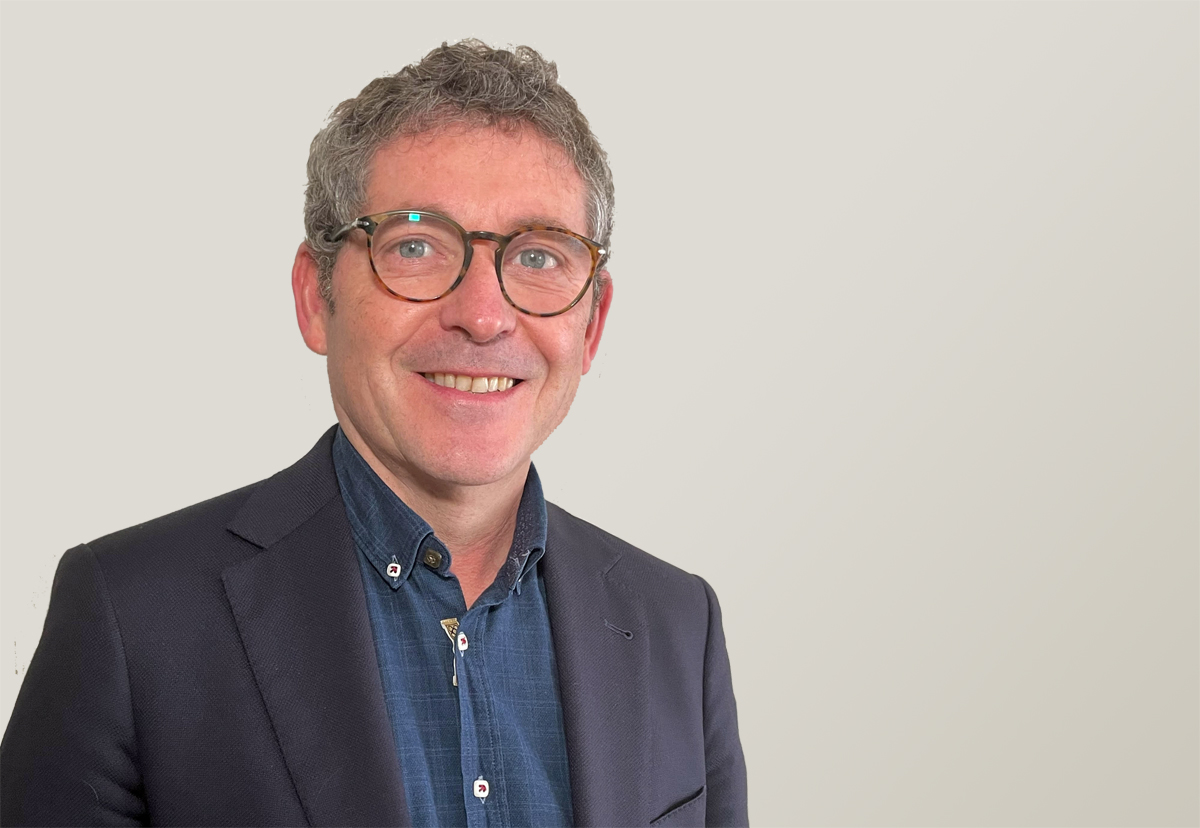
Social prescribing is becoming increasingly common in primary care consultations, and the number of studies supporting its effectiveness in improving people’s health is growing. One of the leading experts in this field in Catalonia is Juan Manuel Mendive, a specialist in family and community medicine at the La Mina Primary Care Centre, part of the Catalan Institute of Health (ICS), and a researcher at IDIAPJGol. From a research perspective, he addresses various aspects of social prescribing. He is currently the principal investigator of the European projects SP-EU (Social Prescribing to promote and improve access to health and care services for people in vulnerable situations in Europe), which focuses on evaluating social prescribing among vulnerable groups, and SPACE (Social Prescribing and Civic Engagement), which focuses on the benefits of urban gardening activities for people who have experienced cancer.
More than 30 European institutions
As part of the SP-EU project, a meeting was held at IDIAPJGol headquarters in early July 2026 with the team coordinating the project at European level, from Charité – Universitätsmedizin Berlin, to discuss its implementation in Catalonia. Focus groups, surveys and a clinical trial will be conducted, starting next September and running until spring 2027. SP-EU is an ambitious initiative involving more than 30 European institutions and more than 2,000 participants from ten countries.
The project aims to evaluate the effectiveness of social prescribing interventions among three vulnerable groups: older people experiencing unwanted loneliness (“it has been shown that people who experience loneliness die earlier,” says Mendive), migrants, and people who are part of the LGBTQ+ community, who “are not usually included in this type of study, which gives the project considerable relevance.”
Mendive highlights the challenge of conducting a clinical trial that can rigorously assess the effectiveness of social prescribing. In Catalonia, between 180 and 200 people receiving care at around ten research-experienced centres will take part. Half of the participants will be assigned to the control group and will receive general information about physical and sporting, social or cultural activities available in their local area, while the other half will be assigned to the intervention group and will receive more personalised information about the community activities available to them. “We will measure the outcomes at six and twelve months using validated questionnaires and compare the use of health and social services between the two groups,” the doctor explains.
The SPACE project, meanwhile, aims to study how activities in community urban gardens can help people undergoing rehabilitation after cancer. More than 500 health professionals from Malta, Greece, Ireland, the United Kingdom and Spain are participating in the project, which also involves the World Organization of Family Doctors (WONCA). Mendive stresses that people with cancer are particularly vulnerable because “they are at high risk of becoming socially isolated”, and that taking part in outdoor community activities, such as those carried out in urban gardens, can be highly beneficial to their recovery process.
Mendive highlights the role played by IDIAPJGol in the literature review conducted for the study, which made it possible to produce a report on the current state of social prescribing. The report is “a reference document on social prescribing, particularly in the field of oncology.”
Lack of time and resources
The IDIAPJGol researcher highlights the importance of social prescribing in Catalonia. “Compared with other countries, we are leaders: we have a resource mapping system, and our professionals are familiar with the health assets available in their local areas, which is not the case in other countries.” Mendive also points out that many professionals record social activities in patients’ medical records and administer questionnaires to assess the outcomes.
However, the researcher acknowledges that the main barrier to strengthening social prescribing in primary care consultations is the lack of time and resources. “Professionals are often overwhelmed by their workload, which makes implementation difficult,” he says, while acknowledging that “better coordination with the social care sector could strengthen this community health tool.”
In this regard, Mendive highlights the model implemented in England, where social prescribing is integrated into the social care network. This approach, he says, has positive aspects because it takes some of the pressure off healthcare professionals, but also negative ones because it moves social prescribing away from healthcare delivery.
Benefits for professionals too
In any case, Mendive is convinced that social prescribing benefits not only patients but also professionals, as it can help prevent consultations from becoming overloaded with patients who return time and again because the medications they have been prescribed are not effective. “If we help people connect their health needs with other services and resources, we will also help reduce the burden on healthcare services,” he says.
The social prescribing expert explains that professionals are becoming increasingly aware of the benefits of this practice. “In recent years, there has been a change in mindset in the way patients are cared for. There is a more holistic approach that goes beyond providing medicalised care for health needs.” Mendive highlights the role played by nurses, who in many cases coordinate community care, although he considers coordination between doctors, nurses and other healthcare professionals to be key, as they all have complementary roles.
Inequalities
One issue that concerns Mendive is territorial inequality. Not all areas have the same community resources, he acknowledges, nor are these resources identified in the same way: some areas have a very comprehensive map of the community activities available, while others do not. “Ideally, everything should be mapped, so that everyone knows what is available in their local area,” he insists. However, he adds that “if the community knows what activities are available, it does not really matter whether the professional knows about them.”
“People have always gone for walks, built communities and met at community centres… When people lose their social networks, become isolated and stop being active, and the healthcare system starts recommending these types of activities to meet those needs, we call this social prescribing,” Mendive reflects. In fact, the family doctor points out that some professionals criticise the term because they believe it medicalises a social activity that goes beyond clinical practice.
‘La Mina Camina’
Mendive gives the example of an initiative carried out in the La Mina neighbourhood of Barcelona. Dr Alberto Ramos, who worked at the La Mina Primary Care Centre until his death in 2013, “was a visionary when it came to community activities and launched an initiative called ‘La Mina Camina’ [‘La Mina Walks’], in which, one Sunday a month, a group of patients would go for a walk around the neighbourhood accompanied by professionals from the primary care centre. They have now held more than one hundred sessions, and some time ago people told us that they no longer needed doctors and nurses to accompany them. Today, it is the neighbourhood residents’ association that coordinates and organises the activity. It can no longer be considered social prescribing, but it continues to add value and promote health among local residents.”
The doctor from the La Mina Primary Care Centre also talks about the case of a woman who had moved from another autonomous community in Spain and came to his consultation because she felt very dizzy. During the appointment, the patient said that she felt very lonely and tired, and she burst into tears in the consultation room. “The first thing that comes to mind in a situation like this is to prescribe antidepressants.” Instead, he recommended that she volunteer at the neighbourhood library, where there was a literacy programme for migrant women, and the results were very positive. Mendive described the case in an article published on the Som Salut Mental 360 blog, run by Parc Sanitari Sant Joan de Déu.
There are many cases like this across the country. Mendive points out that “fortunately, primary care is becoming increasingly involved in community activities and social prescribing is becoming more widespread. More successful experiences are being presented at conferences on community health and at events organised by the Public Health Agency of Catalonia on research and evaluation in social prescribing.”