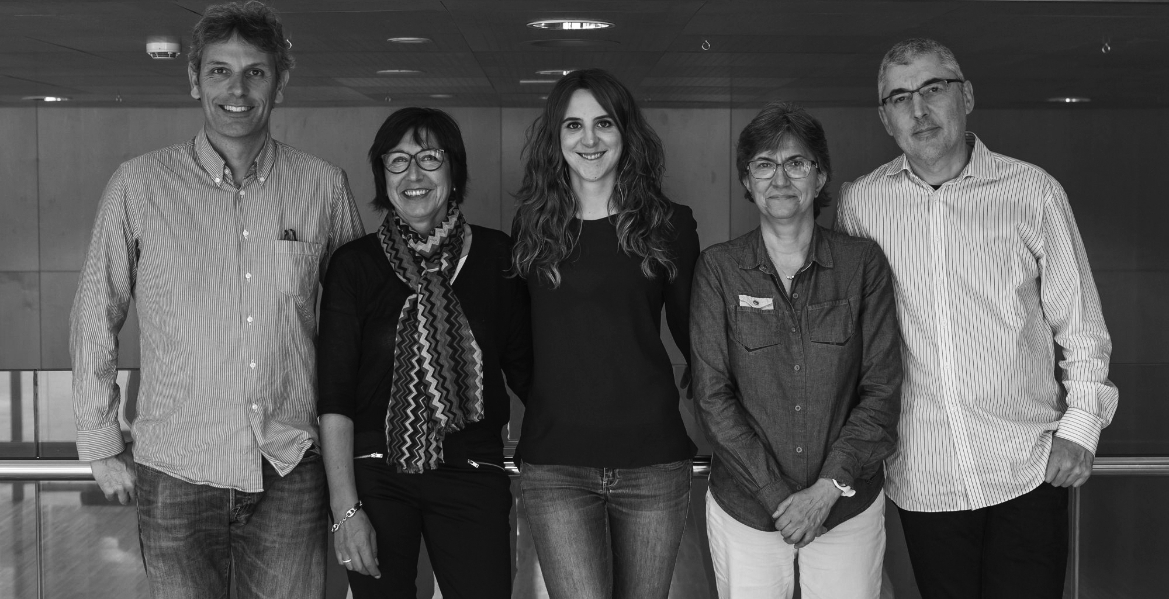
A new multidisciplinary intervention aimed at improving the management and treatment of Advanced Chronic Kidney Disease (ACKD), in order to reduce, in the long term, complications associated with the disease and the eventual need for replacement therapy through dialysis or kidney transplantation. This is the goal of the new project launched by the MARCEVAP group at IDIAP Jordi Gol, led by Iris Lumillo as Principal Investigator.
Considerations regarding ACKD
Chronic kidney disease is an alteration of kidney function in which the kidneys are unable to filter the blood properly. In advanced stages, this damage can cause waste products to build up in the body and lead to other health problems. Advanced chronic kidney disease (ACKD) is associated with a higher risk of cardiovascular events or progression of kidney disease requiring replacement therapy (kidney transplantation or dialysis).
To treat this condition, efforts must be made to reduce or prevent the progression of ACKD and its associated complications. In Catalonia, 8% of people over the age of 60 with CKD are in advanced stages. In addition to affecting quality of life, healthcare for these patients is increasingly costly. Nevertheless, primary care is a fundamental pillar in managing risk factors for disease progression, from early stages to advanced phases, especially in cases where patients are not receiving renal replacement therapy. However, primary care professionals currently have limited tools to achieve this goal and to adequately care for patients.
For this reason, this multidisciplinary intervention is even more necessary. It should be noted that chronic disease care programmes made up of multidisciplinary teams and based on standardised guidelines have been associated with lower care costs and better hospitalisation and mortality rates. Thus, through a well-designed intervention in which different teams act in a coordinated manner, this new comprehensive care model can be implemented to improve outcomes in ACKD.
Work plan of the multidisciplinary intervention
The work plan consists of two phases: analysis of the baseline situation, design and implementation in the first phase; and evaluation in the second. The baseline analysis combines two approaches. The first, quantitative, will identify people diagnosed with ACKD through electronic health records in order to understand current disease management. The second, qualitative, aims to describe the barriers and facilitators perceived by professionals in caring for these patients. All these analysed data will allow the multidisciplinary team to adapt the intervention.
During the intervention phase, professionals will have access to new digital support tools and training in ACKD. The intervention will begin in the second year, and in the last semester of 2024 its impact will be evaluated by comparing data between centres that have implemented the new intervention and those that have not.
This project is expected to identify a significant group of people affected by ACKD who may benefit from this structured comprehensive care approach. With the improvement in disease management and control provided by this multidisciplinary intervention, reductions are expected in cardiovascular-related hospital admissions and in the need for renal replacement therapy through transplantation or dialysis.
MARCEVAP, a new research group at IDIAP Jordi Gol
Disease, cardiovascular risk and lifestyles in primary care (MARCEVAP) is a multidisciplinary primary care research group accredited by the University and Research Grants Management Agency (AGAUR). The group combines professionals with a clinical profile and others with a more methodological profile, with the aim of seeking answers and improvements in the care of people with kidney disease and other chronic conditions associated with cardiovascular risk. The group coordinator is Dr Betlem Salvador, although in this project the entire intervention is led by Dr Iris Lumillo, PhD in Nursing Sciences.