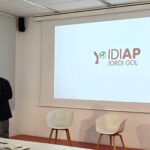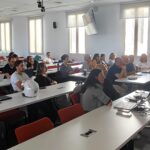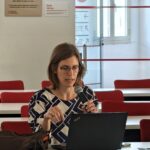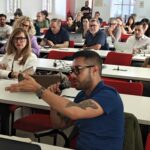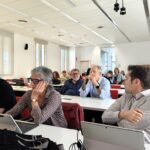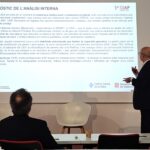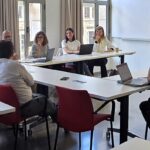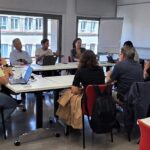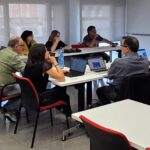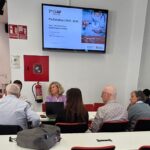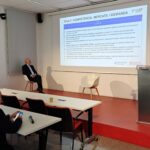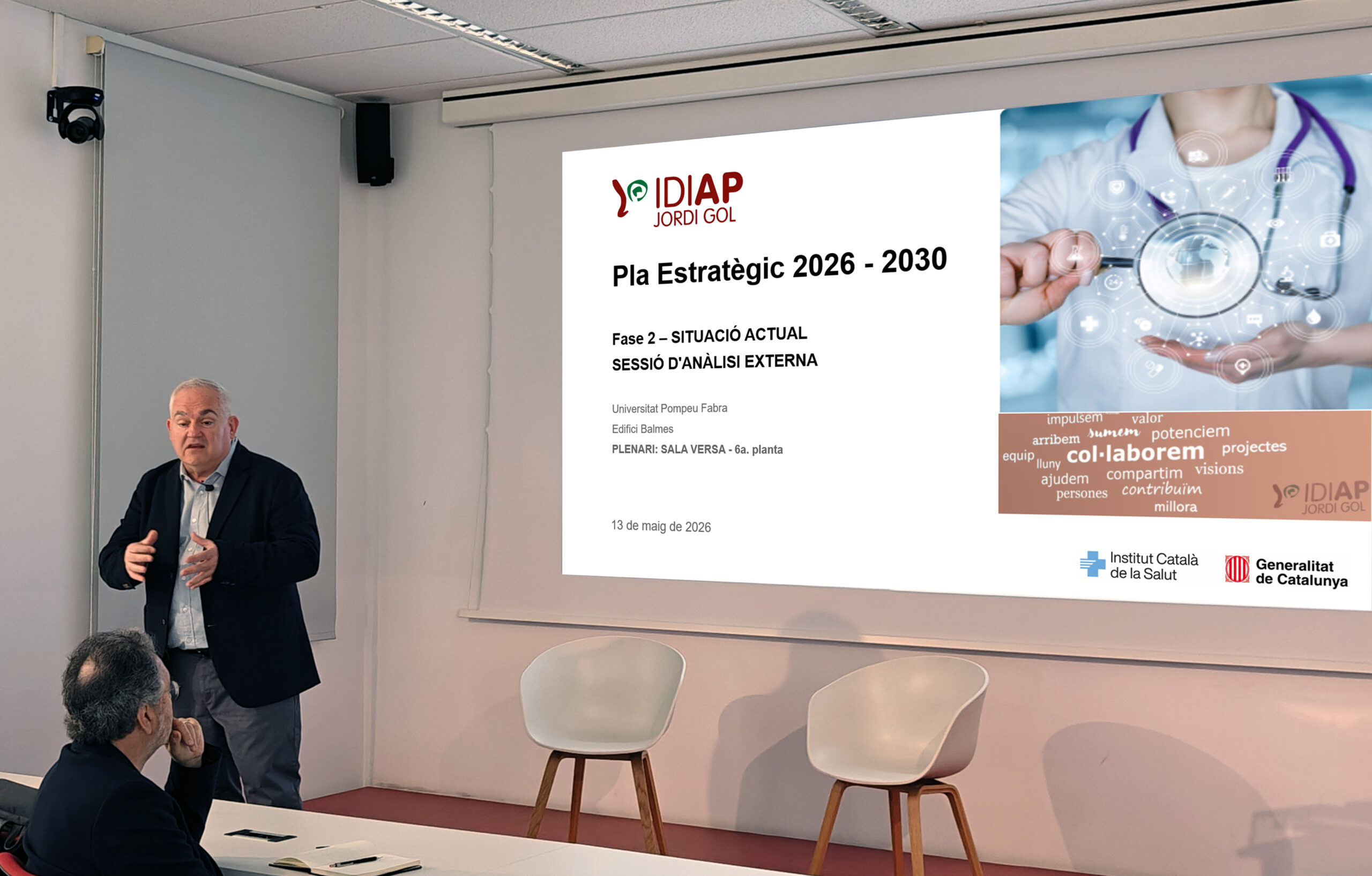
Strengthening leadership in primary care research and increasing the institution’s visibility and the social impact of research outcomes are among the major challenges that will shape the future of the IDIAPJGol over the coming years. These were some of the key reflections that emerged during the second participatory session for the development of the institute’s 2026–2030 Strategic Plan, held on 13 May 2026 at the Balmes Building of Pompeu Fabra University, in Barcelona.
The event brought together more than forty internal and external professionals from the fields of research, healthcare management, primary care, public administration and the biomedical industry to discuss the main external factors that will influence the evolution of the IDIAPJGol and the role of primary care research in the coming years.
The meeting continues a process that began on 15 December 2025 with the closure of the previous Strategic Plan. On 20 February 2026, a session was held to review the institution’s mission, vision and values, followed by a participatory session on 25 March focused on internal analysis.
A presence across the whole territory
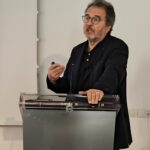
The session opened with remarks by IDIAPJGol Director Josep Basora, who presented an overview of the institute’s 2025 activity and highlighted the consolidation of the institute as a key player in primary care research.
During his speech, Basora placed special emphasis on the institute’s territorial uniqueness. “We are the only research centre deployed throughout Catalonia and the only institute in Spain specialised in primary care,” he stated. He also underlined the progressive incorporation of new healthcare providers and institutional alliances, enabling the IDIAPJGol to represent virtually all the research carried out by primary care professionals across the country.
“The armed wing of health”
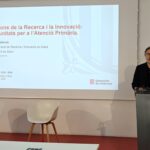
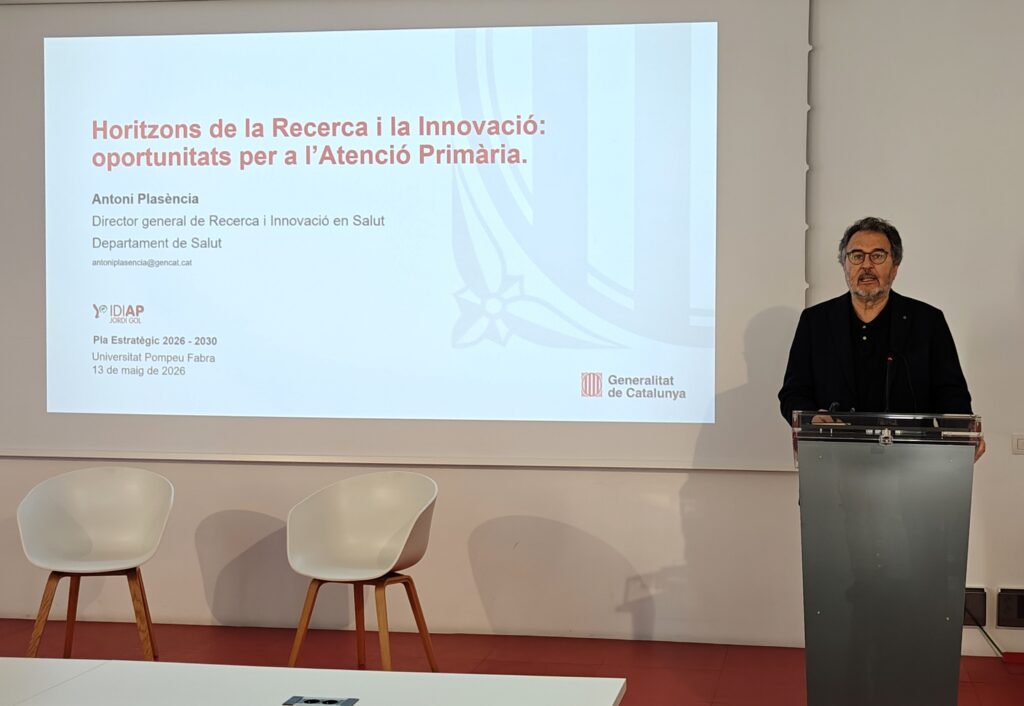
The keynote lecture was delivered by Antoni Plasència, Director of Research and Innovation at the Department of Health, who framed the IDIAPJGol’s strategic debate within the broader challenges facing public health systems: population ageing, multimorbidity, social inequalities, the climate crisis, financial sustainability, and the impact of digital health and artificial intelligence.
????????????
Plasència defended the need to transform the healthcare model “to orient it towards health rather than disease”, with a stronger commitment to prevention, health promotion and people-centred care. In this context, he described the IDIAPJGol as “a structural pillar” for driving the transformation of primary care.
“Incorporating knowledge is the best way to change things,” he stated, quoting a phrase attributed to Albert Einstein. He also stressed the importance of reinforcing the role of science at a time when it is increasingly being publicly questioned. “We want research to become the armed wing of health,” he concluded.
Consolidating the institute
Next, Francesc Iglesias, Deputy Director for Strategic Development at the Catalan Health Institute (ICS), and Macarena Herranz, ICS Research Support Coordinator, who are both part of the facilitation team for the institute’s future Strategic Plan, presented the results of the preparatory work carried out over recent months.
They outlined the preliminary proposals for the mission, vision and values of the future Strategic Plan, as well as the main conclusions of the internal analysis developed during the 25 March session. As they explained, the internal assessment shows an institute that has reached institutional maturity, with an increasingly professionalised structure aligned with the standards of CERCA research centres. It also identifies distinctive assets such as SIDIAP and its clinical research support structures, which consolidate the IDIAPJGol as a benchmark in health data and primary care clinical trials.
Iglesias and Herranz also highlighted challenges related to improving internal coordination, strengthening communication between units, better integrating research with clinical activity, and consolidating structures capable of sustaining the institute’s rapid growth in recent years.
Branding and leadership
The central part of the event consisted of four working groups that analysed issues related to branding and institutional leadership, competition and funding, political and regulatory factors, and new strategic lines of action.
Among the main conclusions shared by participants was the need to strengthen the IDIAPJGol’s external profile and improve communication about the impact of research conducted in primary care. Several groups agreed that the institute’s uniqueness is both a major strength and a factor that often limits its visibility and leadership capacity in certain scientific environments.
Participants also highlighted the institute’s territorial presence and its ability to collaborate with the other health research institutes in Catalonia, as well as the need to build new alliances that help strengthen its prestige and positioning.
Funding, talent and impact
The working groups also identified opportunities linked to improving funding acquisition mechanisms, expanding into new international environments — especially in Asia — and implementing the European Health Data Space.
Other strategic priorities discussed included strengthening ties with industry, reorganising research groups around the institute’s four cores (mental health, healthy ageing, chronic diseases and service evaluation), and promoting research lines related to the social determinants of health and planetary health.
At the same time, participants warned about structural difficulties such as the chronic underfunding of primary care, the challenges involved in leading large competitive projects from this healthcare setting, and the growing need to demonstrate the social impact of research to public administrations and funding bodies.
A participatory process
The event concluded with a joint review of the working groups’ findings and the definition of the next steps in the participatory process, which will culminate in the final drafting of the IDIAPJGol 2026–2030 Strategic Plan.
The session brought together researchers from the institute and other biomedical research centres, representatives from the Department of Health, healthcare professionals, members of the pharmaceutical industry, and experts in innovation and healthcare management.