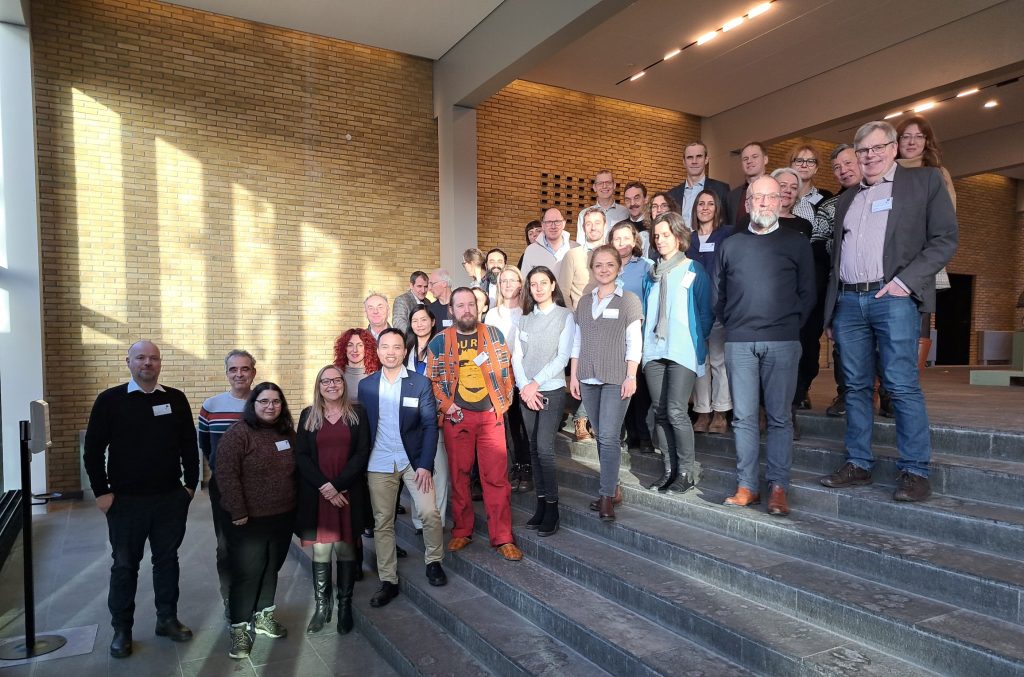
IDIAPJGol, along with nineteen other entities from seven different countries, is part of an initiative to rapidly and simply detect respiratory RNA viruses that can cause a pandemic in primary care. The project is called PAIR, and it uses predictive models based on artificial intelligence through two interactive tools: PANPOC and PANRISK.
PANPOC is an instrument for detecting respiratory RNA viruses with pandemic potential using human, animal, and environmental samples, and it can be applied in primary care consultations. The IDIAPJGol will play a key role in the implementation and validation of this tool in primary care. On the other hand, PANRISK is an artificial intelligence and machine learning-based model that will process the data from the results collected by the project’s partners.
This program, funded by the European Union, will launch the two tools in clinical and veterinary settings in Denmark, France, Latvia, Italy, and Spain. Ultimately, it aims to improve surveillance and response models to epidemic outbreaks. The coordinator of PAIR, Carsten Thure Kirkeby, explains that the goal of the plan is to “improve preparedness and responses with better decision-making. With advanced modeling, we will have better coordination between regions and countries, addressing a weakness we identified in the pandemic response.”
The PAIR project started in January 2024 and will continue until December 2028, under the coordination of the University of Copenhagen.