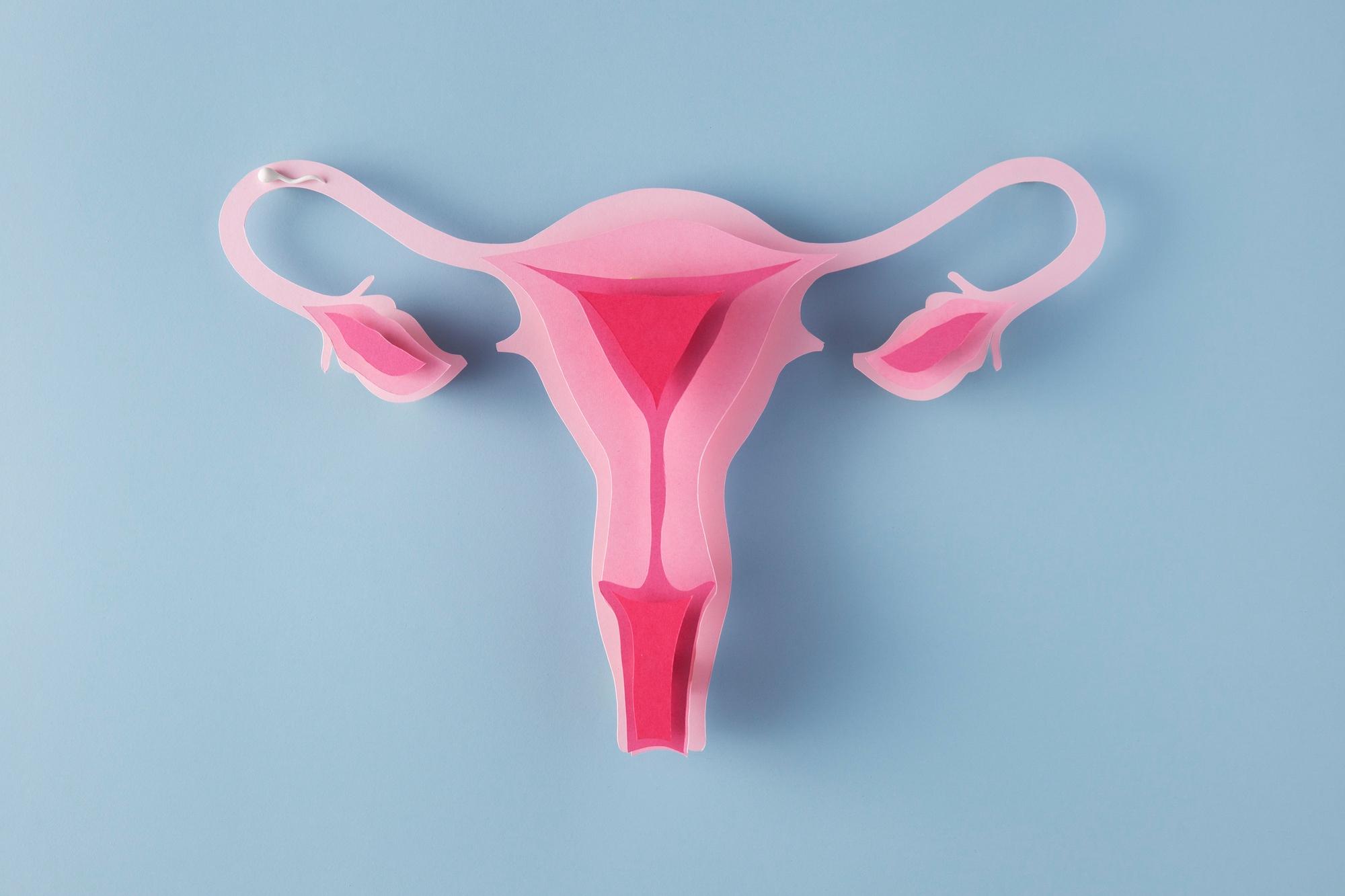
Endometriosis is a chronic disease that has a significant impact on the physical, emotional and social health of women who live with it and, moreover, it often takes years before it is properly diagnosed and treated. These are some of the aspects examined by researcher Laura Medina Perucha from the Jordi Gol i Gurina University Institute for Research in Primary Health Care (IDIAPJGol) in a participatory study carried out in collaboration with the Endometriosis Association of Catalonia (Endo&Cat), the Catalan Health Institute, Hospital Clínic of Barcelona and the Center for Health Program Analysis. The research team has published the report “The wounds are what stay inside you: a photovoice study on the implications of living with endometriosis”, portraying the impact and implications of this disease on women affected in the Barcelona area.
Background on endometriosis
Endometriosis is an oestrogen-dependent inflammatory disease. It is a chronic condition characterised by the presence of endometrial tissue outside the uterine cavity. Estimates of the total number of affected women are imprecise, but it is thought to affect between 10% and 18% of women of reproductive age.
The main and most frequent symptoms are acute and progressive menstrual pain, chronic pelvic pain, pain during sexual intercourse, periovulatory pain, dyschezia (pain on defecation) and infertility/sterility. This disease directly affects the quality of life of affected women, their emotional health, social and sexual relationships, and their working lives.
Endometriosis is usually diagnosed in adulthood, although cases have been detected in girls and adolescents. However, 60% of cases remain undiagnosed and it takes an average of 6–10 years to receive a diagnosis from the first consultation with health services. In fact, a study carried out in Catalonia by the same research team at IDIAPJGol found that diagnosed cases of endometriosis in 2018 represented only 1.1% of the population of reproductive age. This figure does not reflect the true extent of the condition, reinforcing the hypothesis that it is underdiagnosed.
A participatory photovoice study on endometriosis
The main objective of this gender-perspective study was to explore and portray experiences of endometriosis, the diagnostic process and access to health services among women living with endometriosis in Catalonia.
The study followed the photovoice method, which aims to promote both research and community-driven change through group discussions and the use of photography. A total of six group sessions were held at the IDIAP Jordi Gol facilities during May and June 2022.
Conclusions focused on change
The women who took part in the study concluded that accepting the implications of this disease is a long and step-by-step process, with different phases that often involve an emotional component for which there is insufficient psychological and social support. They also highlighted the importance of having support spaces and moving towards a comprehensive approach to endometriosis in health services. In addition, they stressed the need for earlier diagnosis and for reviewing stigmatising and discriminatory practices in healthcare services.
For this reason, social research in the field of health must be strengthened to improve the prevention, diagnosis and treatment of endometriosis. In these processes, the report stresses, the voices of those affected must be included so they can contribute their experiences throughout the entire research process, as was done in this study.