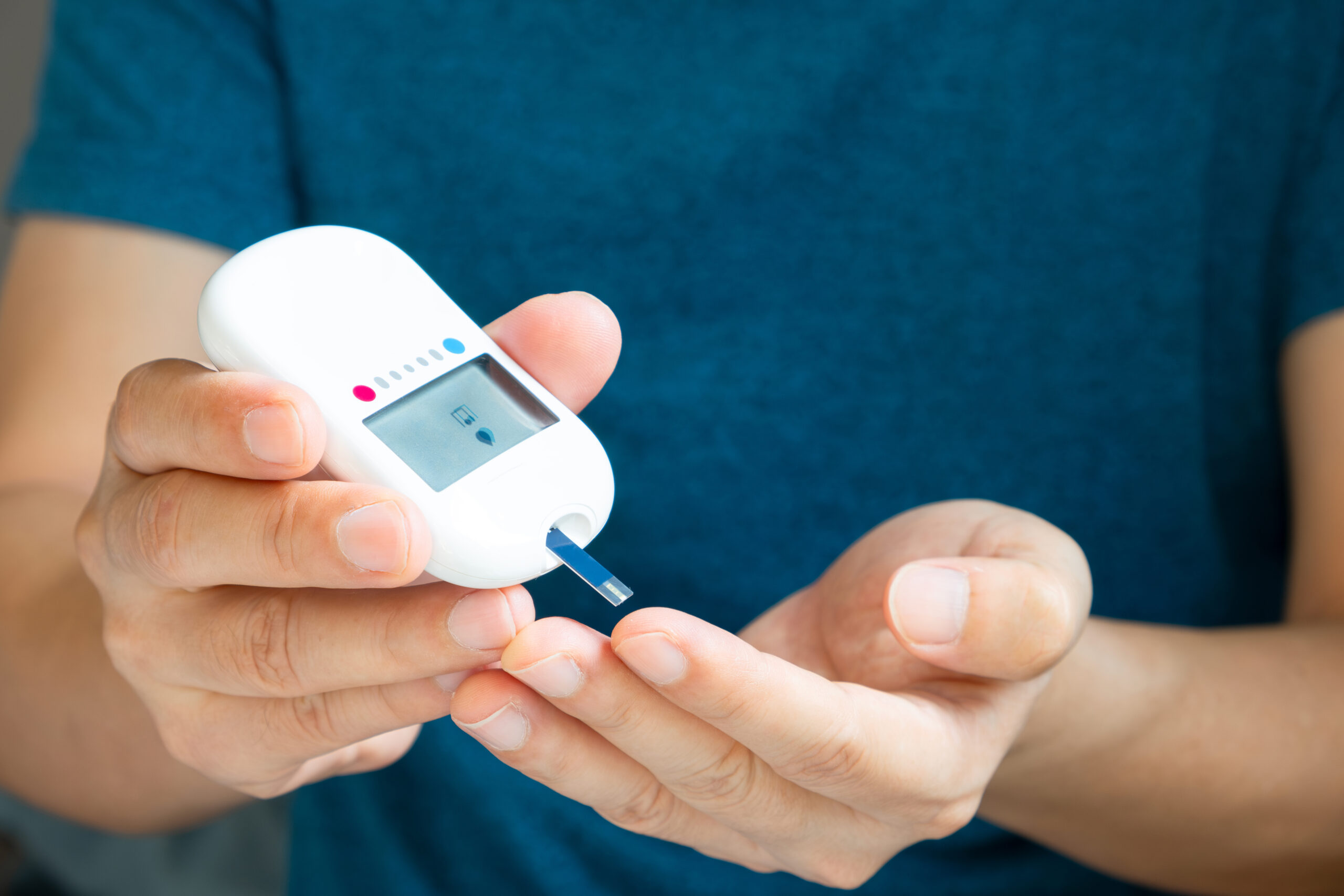
A new study conducted in patients with type 2 diabetes has revealed interesting results regarding disease treatment and its relationship with diabetic retinopathy, an eye complication that sometimes affects people with diabetes. The research study “Rapid Reduction of HbA1c and Early Worsening of Diabetic Retinopathy: A Real-World Population-Based Study in Subjects With Type 2 Diabetes”, published in the prestigious diabetology journal Diabetes Care, suggests that a rapid reduction in HbA1c, a key measure of metabolic control of the disease, does not worsen the degree of retinopathy in patients who already had a mild or moderate form of this complication.
This is good news for patients and healthcare professionals, as it implies that improving blood glucose control does not need to be delayed out of fear of worsening diabetic retinopathy in these cases. This finding may contribute to improving diabetes management and preventing complications affecting the retina and other organs.
The study, in which the Primary Care Diabetes Group (DAP-Cat) of the Jordi Gol Institute for Research in Primary Health Care (IDIAPJGol) participated, analysed data from more than 1,000 patients with type 2 diabetes and mild or moderate diabetic retinopathy. Researchers examined the relationship between the reduction in HbA1c over the previous 12 months and the worsening of diabetic retinopathy. Some previous clinical trials had shown that if blood glucose levels decrease very rapidly, plasma may leave the blood vessels by osmosis and this fluid may contribute to the development of retinal macular oedema, significantly worsening vision.
According to Josep Franch, coordinator of DAP-Cat, “many clinicians were afraid to be aggressive in lowering blood sugar and thought it was better to do it slowly, even if that increased the risk of other non-retinal complications. However, with this study, which is the first carried out under real-life clinical practice conditions, we have seen that there are no arguments for delaying glycaemic control to the targets we want for each patient.”
HbA1c (glycated haemoglobin) is a clinical test used to measure blood glucose control over time. It is a fraction of haemoglobin, a protein found in red blood cells that carries oxygen to the body’s tissues. For patients with diabetes, HbA1c is a key measure for assessing blood glucose control and disease management. A high HbA1c level indicates poor diabetes control and a higher risk of associated complications, such as diabetic retinopathy, which affects the eyes.
It should be noted that this study focused on patients with mild or moderate diabetic retinopathy, not on patients with more advanced forms of the disease. In the less frequent situation of severe diabetic retinopathy, and given the lack of evidence under routine clinical practice conditions, the safety or risk of rapid glycaemic reduction cannot be established.