Lack of time, clinical insecurity, and difficulty interpreting nystagmus are among the main obstacles preventing family medicine professionals from routinely applying the recommended manoeuvres to diagnose and treat benign paroxysmal positional vertigo in primary care. This is the conclusion of a qualitative study conducted by the VERTAP group at the Jordi Gol Institute for Primary Care Research (IDIAPJGol), published in the scientific journal BMJ Open, which analyses why these techniques have not yet been routinely incorporated into clinical practice, despite being endorsed by clinical guidelines.
The study was based on four focus groups involving 34 family physicians from four primary care teams in L’Hospitalet de Llobregat, and it gathers their experiences and perceptions regarding the management of vertigo in clinical consultations.
Diagnostic challenges
The main barrier identified is lack of time, particularly during urgent visits, which limits the ability to devote sufficient time to medical history taking, physical examination, and performing the manoeuvres.
This difficulty is compounded by professionals’ insecurity when carrying out manual techniques, especially if they have had previous negative experiences or when treating older patients or those with comorbidities. Some participants reported episodes in which patients experienced intense dizziness or vomiting during the manoeuvre, which creates fear of causing adverse effects.
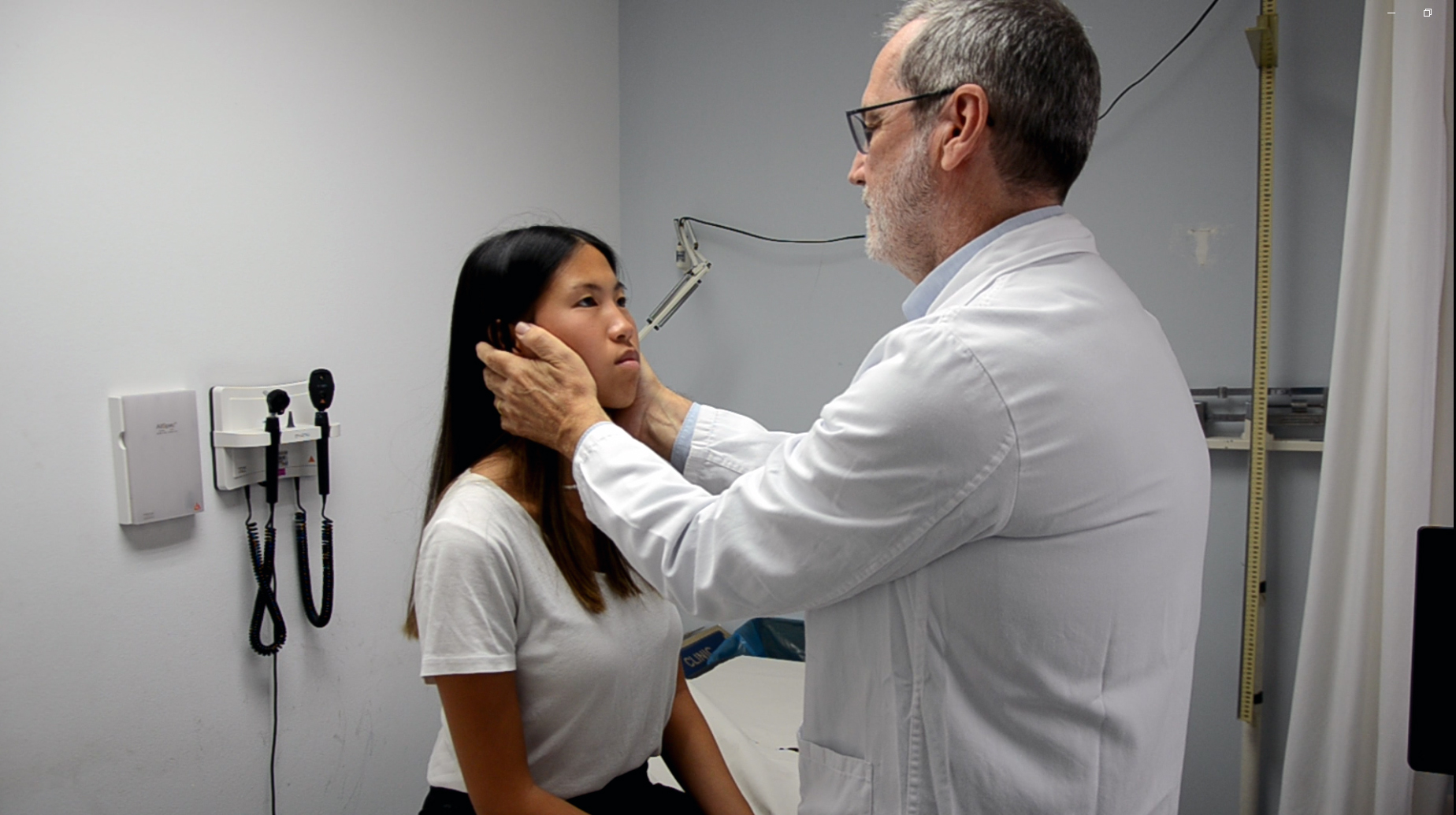
The study also highlights the difficulty in correctly visualising and interpreting nystagmus (involuntary eye movements), which is key to diagnosing this type of vertigo. Detecting nystagmus often requires experience and clinical practice.
Patient expectations
The physicians participating in the study explain that patient expectations also influence the management of benign vertigo. According to the professionals interviewed, many patients prefer medication to relieve symptoms and show reluctance towards physical manoeuvres, especially if they have had a previous negative experience.
This situation reinforces the inertia of pharmacological treatment, which participants describe as common practice within the healthcare system, even though clinical guidelines recommend prioritising diagnostic and therapeutic manoeuvres and avoiding unnecessary medication.
More training and support
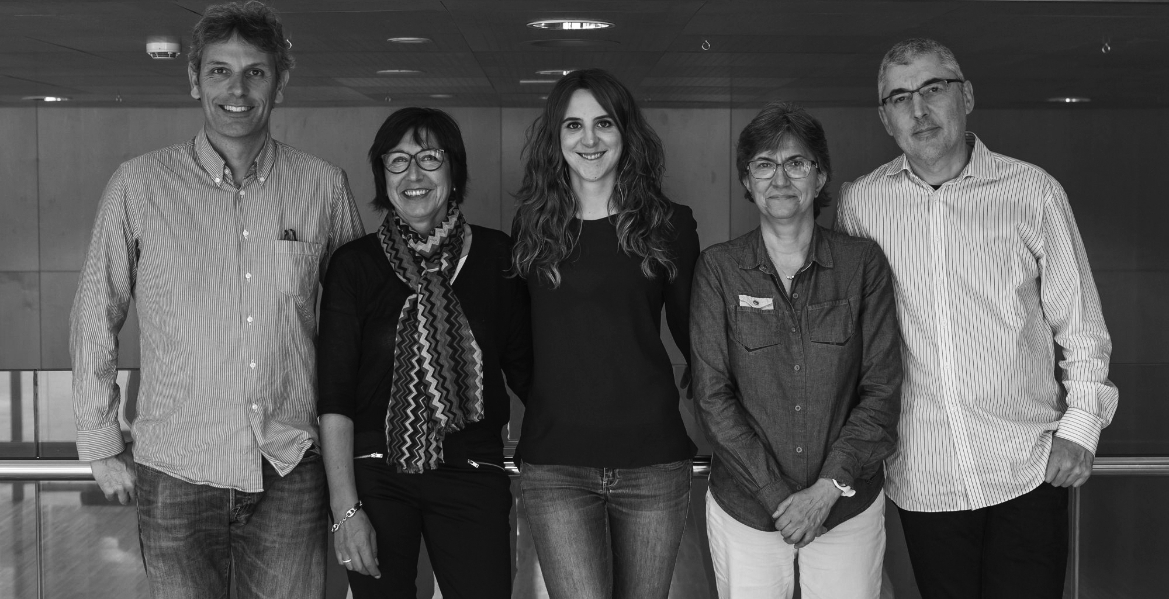
IDIAPJGol researcher Alicia Rullan-Rabassa, first author of the study, emphasises that despite the identified difficulties, applying the manoeuvres more systematically could save time and prevent repeated consultations. In this regard, the team points out the need to strengthen practical training through regular updates, appoint reference professionals, and provide digital tools such as tutorial videos to facilitate the application of the techniques and the interpretation of nystagmus.
An app to support the diagnosis and treatment of benign vertigo
The VERTAP group has also launched the NYSTAVERT project, a mobile application designed to record eye movements during the manoeuvres and help apply them more safely. Professionals conclude that investing in time and training is essential to improve vertigo management and reduce unnecessary tests and medications.Inici del formulari
Article reference
Rullan-Rabassa A, G Abiétar D, Rando-Matos Y, Ballvé-Moreno JL, Daryanani-Nawalrai S, Hernández-Méndez P, Rozenek MA, Santolalla-De Pedro A, Torrecilla-Sánchez R, Peguero-Rodríguez E. Barriers and facilitators to performing benign paroxysmal positional vertigo manoeuvres among primary care physicians in Barcelona: a qualitative study. BMJ Open. 2025 Dec 8;15(12):e110545. doi: 10.1136/bmjopen-2025-110545. PMID: 41365585; PMCID: PMC12699709.