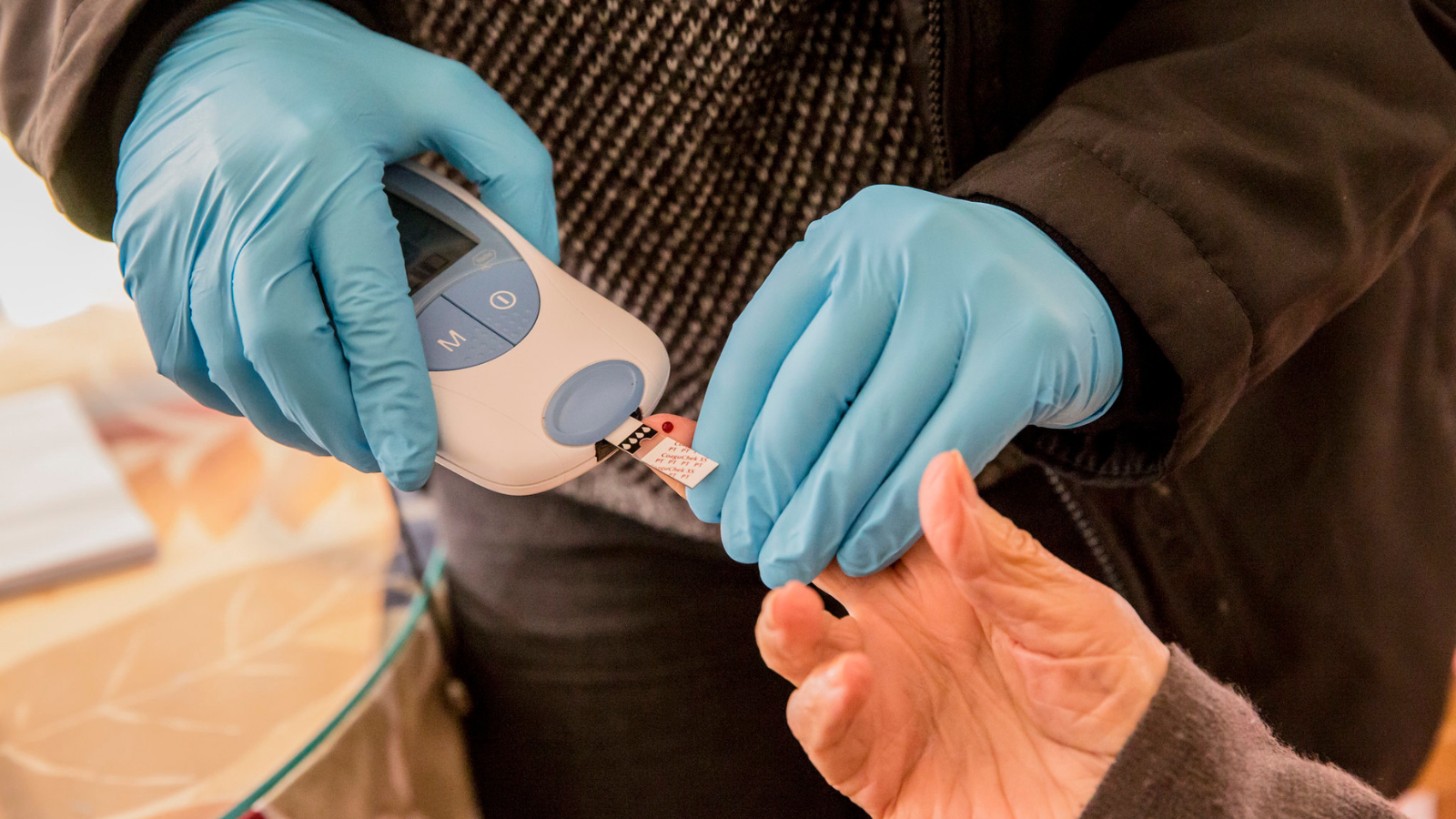
The INTEGRA study, led by professionals from the Epidemiological Research Group in Diabetes from Primary Care (DAP-CAT) at IDIAP Jordi Gol, concludes that a comprehensive multidisciplinary intervention in the Primary Health Care setting improves glycaemic control in patients with type 2 Diabetes Mellitus and poor disease control. This project was conducted in collaboration with the Spanish Biomedical Research Network Centre in Diabetes and Associated Metabolic Diseases (CIBERDEM), led by Dr Dídac Mauricio, and the results have been published in the journal Diabetes, Obesity and Metabolism.
The clinical trial was conducted in 11 Primary Care centres in the health regions of Barcelona (Sant Martí de Provençals, Drassanes, Doctor Lluís Sayé –Raval Nord– and Besòs), Girona (Jordi Nadal i Fàbregas –Salt 1– and Can Gibert del Pla) and Lleida (Mollerussa, Tàrrega, Onze de Setembre, Bordeta-Magraners and Balaguer). The intervention was carried out in 225 patients diagnosed with type 2 Diabetes Mellitus with poor glycaemic control (HbA1c greater than 9%). The intervention included a dedicated clinic led by Primary Care physicians and nurses, as well as additional actions to improve patient adherence and reduce clinical inertia among professionals. Prior to implementing the intervention, a qualitative study was conducted to design it.
Patients who received the intervention showed a statistically significant reduction in blood glucose levels (HbA1c) compared with the control group, and a higher percentage of patients achieved an HbA1c below 8% in the intervention group (44.8% versus 25.5% in the control group).
Thus, the study concludes that a multidisciplinary intervention including a dedicated clinic led by Primary Care professionals and aimed at reducing therapeutic inertia can improve glycaemic control in patients with type 2 Diabetes Mellitus and poor glycaemic control.