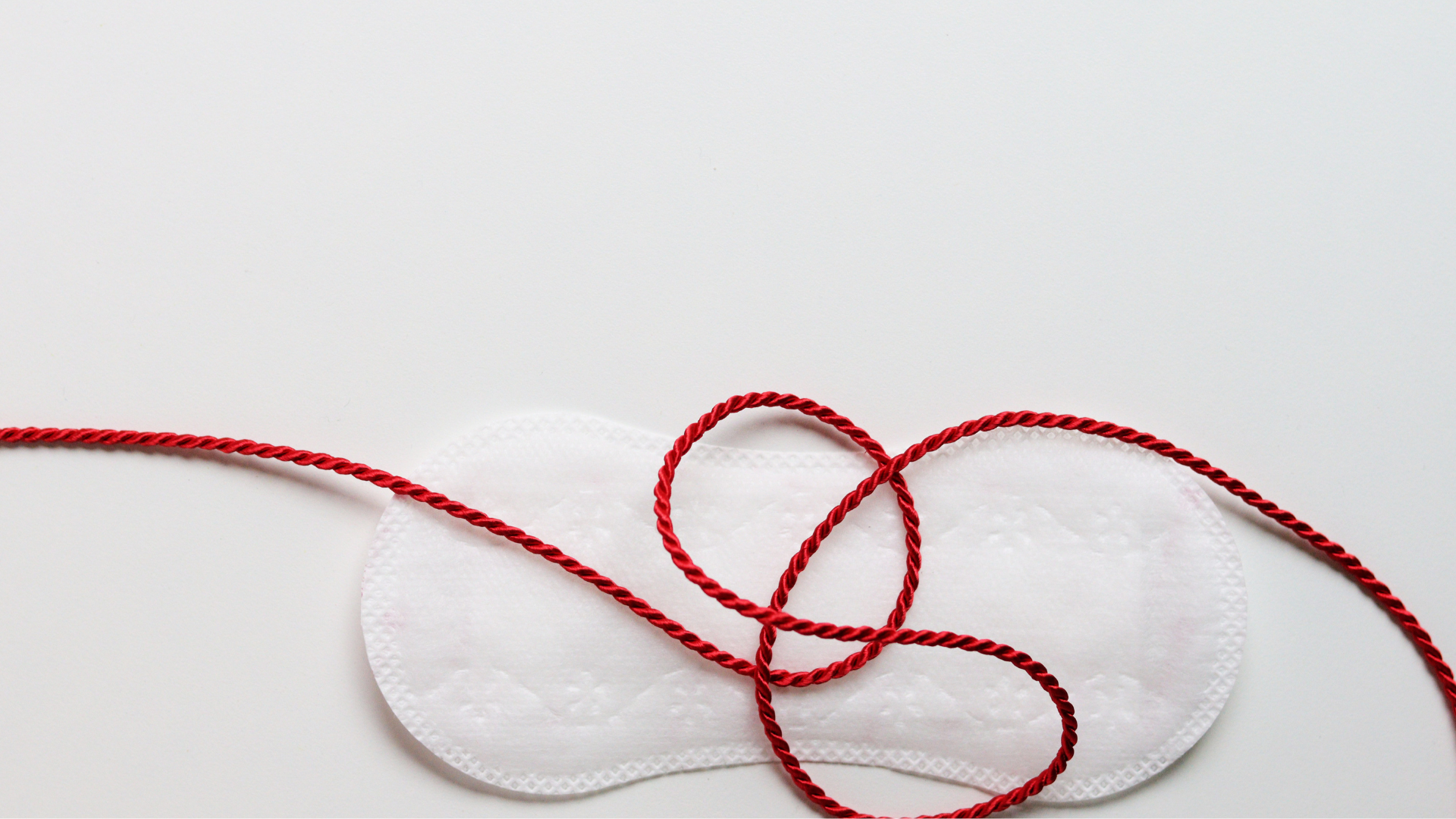
Menstrual inequities are associated with effects on the physical, emotional and mental health of women and people who menstruate. This is confirmed by a review study conducted by researchers from the Jordi Gol Institute for Research in Primary Care (IDIAPJGol), in collaboration with the Network for Research in Chronicity, Primary Care and Prevention and Health Promotion (RICAPPS).
The review, published in the journal Reproductive Health, analyses scientific evidence published between 1990 and 2023 on this issue and confirms that menstruation, far from being a neutral biological fact, is influenced by structural inequalities with clear impacts on health.
According to the lead researcher of the study, Laura Medina Perucha, who is part of IDIAPJGol and the RICAPPS network, “the findings show a consistent relationship between menstrual inequity and physical and mental health problems”.
Medina Perucha adds that “menstrual inequity is not a marginal issue nor limited to individual care practices, but rather a social determinant of health with clear and measurable consequences”.
The study indicates that the broadest and most consistent impact occurs in the area of emotional and mental health. In this regard, period poverty is associated with a higher likelihood of poor mental health among young and adult women.
In addition, the review highlights that women who experience period poverty are more likely to suffer from depression, anxiety and stress.
The studies included in the review also emphasise that there is a strong association between menstrual inequity and the emergence of feelings of fear, guilt or humiliation. Likewise, the researchers observed that these effects are especially related to menstrual stigma and taboo—both in the family environment and in school, work and community settings—as well as to the lack of adequate menstrual education—which generates fear, confusion and misinformation—and to negative experiences with the healthcare system, such as the minimisation of pain or delayed diagnosis.
Thus, stigma appears as a key factor that not only affects emotional wellbeing, but also reinforces other inequities, limiting access to resources, information and healthcare.
Loss of income multiplies the impact of period poverty. Women facing economic hardship are more likely to be unable to afford menstrual products. Likewise, stress associated with purchasing menstrual products is more frequent in contexts of economic vulnerability.
Finally, it should be noted that a lower educational level is associated with a higher likelihood of experiencing stress when trying to access menstrual products.
Changing menstrual products only once a day is associated with reproductive tract infections. On the other hand, the use of reusable cloths as an alternative to appropriate menstrual products is linked to fungal infections, and not using sanitary pads increases the risk of abnormal vaginal discharge.
Overall, the study associates the lack of adequate menstrual products with a significant increase in the risk of reproductive tract infections, even after adjusting for sociodemographic factors.
For all these reasons, the authors of the study state that “it is necessary to broaden the perspective in research and public policies, incorporating menstruation as an issue of equity, rights and public health”. The quantitative and qualitative evidence included in the review demonstrates that menstrual inequity significantly increases the risk of depression, anxiety and stress.
García-Egea A, Pujolar-Díaz G, Hüttel AB, Holst AS, Jacques-Aviñó C, Medina-Perucha L. Mapping the health outcomes of menstrual inequity: a comprehensive scoping review. Reprod Health. 2025 Sep 2;22(1):156 doi: 10.1186/s12978-025-02103-0. PMID: 40898260; PMCID: PMC12406439.