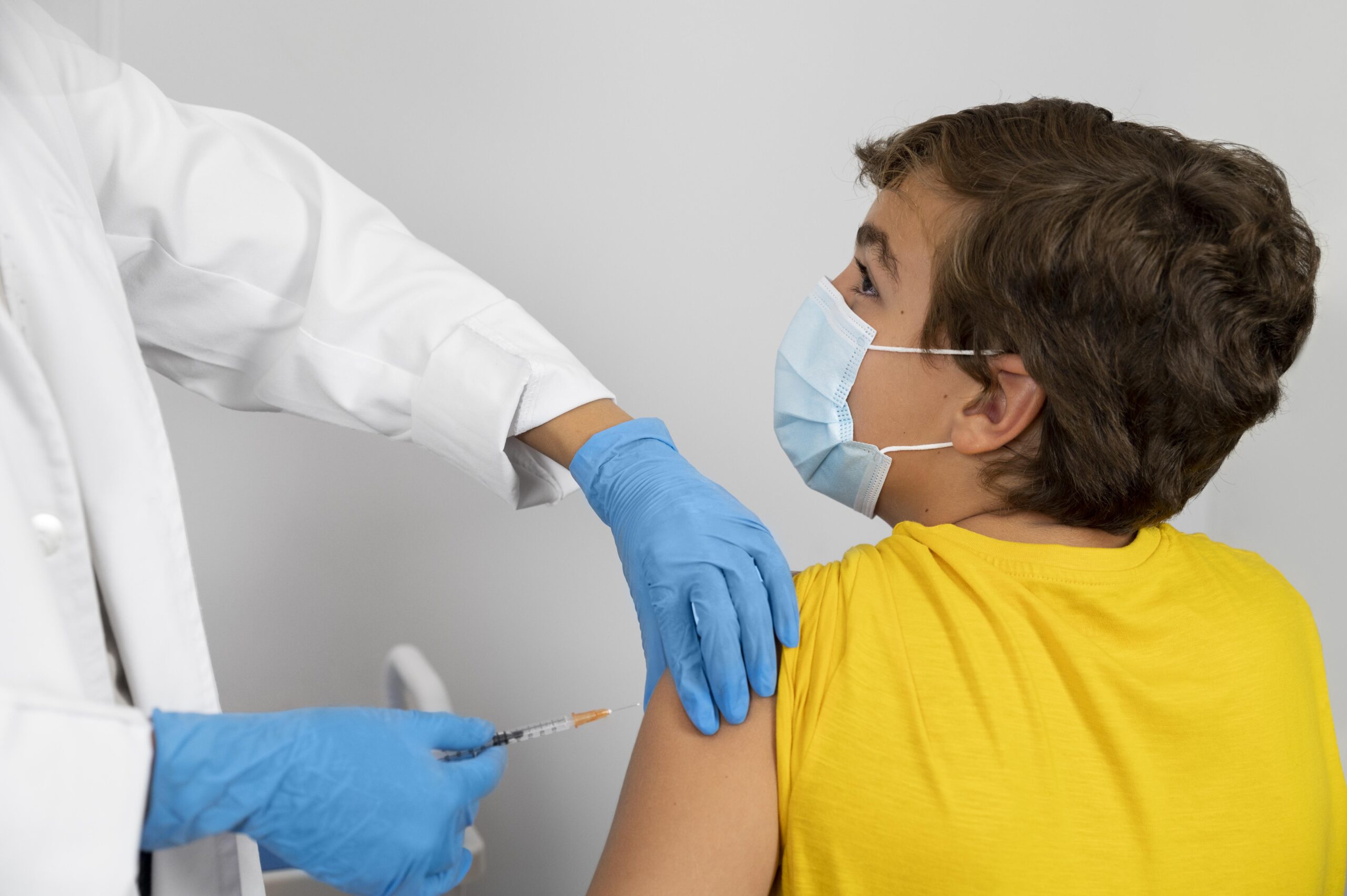
A new study on COVID-19 vaccines analyzes surveillance systems and pivotal clinical trials in the pediatric population. The study’s conclusions validate these vaccines for pediatric use and show that adverse reactions to vaccine administration are, for the most part, common.
The study “Safety of COVID-19 vaccines in the pediatric population: analysis of European surveillance systems and pivotal clinical trials” involved the participation of Felipe Villalobos, a researcher from the Scientific Area of IDIAPJGol, along with fifteen other authors from across Europe and the collaboration of the ilmiovaccinoCOVID19 group. The project was conducted through a prospective cohort of vaccinated individuals aged between 5 and 17 years. This large-scale investigation was carried out using the COVID-19 Vaccine Monitor (CVM) and Eudravigilance surveillance systems, measuring the frequency of serious adverse events (ADRs) and the most common adverse events after the first and second doses of the coronavirus vaccine. In the pediatric population, Comirnaty, Spikevax, and Nuvaxovid were administered.
The CVM study enrolled 658 individuals vaccinated with the first dose (children aged 5 to 11 years, n = 250, and adolescents aged 12 to 17 years, n = 408). Solicited local/systemic ADRs were common, whereas serious ADRs were rare. Among those who received the first and second doses of Comirnaty, 28.8% and 17.1% of children and 54.2% and 52.2% of adolescents experienced at least one ADR, respectively; pain at the injection site (29.2% and 20.7%), fatigue (16.1% and 12.8%), and headache (22.1% and 19.3%) were the most frequent local and systemic ADRs. The results were consistent, although slightly lower than those of pivotal clinical trials.
Thus, the study’s findings reinforce the low-risk profile of these vaccines for the pediatric population. They show a high frequency of local adverse events, very common in the population, but almost none that are serious. Those who experienced these common reactions, such as pain at the injection site, tiredness, or headache, felt them more after the first injection than after the second.
In the future, we can benefit from these structured, organized, and validated data collection systems beyond the COVID-19 pandemic emergency, as they can be easily adapted to other specific needs.