CAP Maresme offers tests to detect the risk of falls at an early stage in people aged between 68 and 71 and to help prevent them. Falls can cause injuries which, especially in older adults, have a significant impact on autonomy and quality of life. In some cases, they can also have serious consequences for health.
Promoting health and preventing disease are key pillars of Primary Care. Fall prevention, in particular, is one of the areas addressed when caring for older adults in primary care centres.
In this context, the Jordi Gol Primary Care Research Institute (IDIAPJGol) and the Northern Metropolitan Primary Care Service of the Catalan Health Institute (ICS) are conducting a study in which participants can find out at an early stage whether they are at greater risk of falling. This is a pioneering study in Spain, as it analyses the ageing process of the balance system in older adults and explores other biological markers related to this process.
What does it involve?
The EPIBAS study focuses on the early detection of balance disorders in people aged between 68 and 71 living in Mataró.
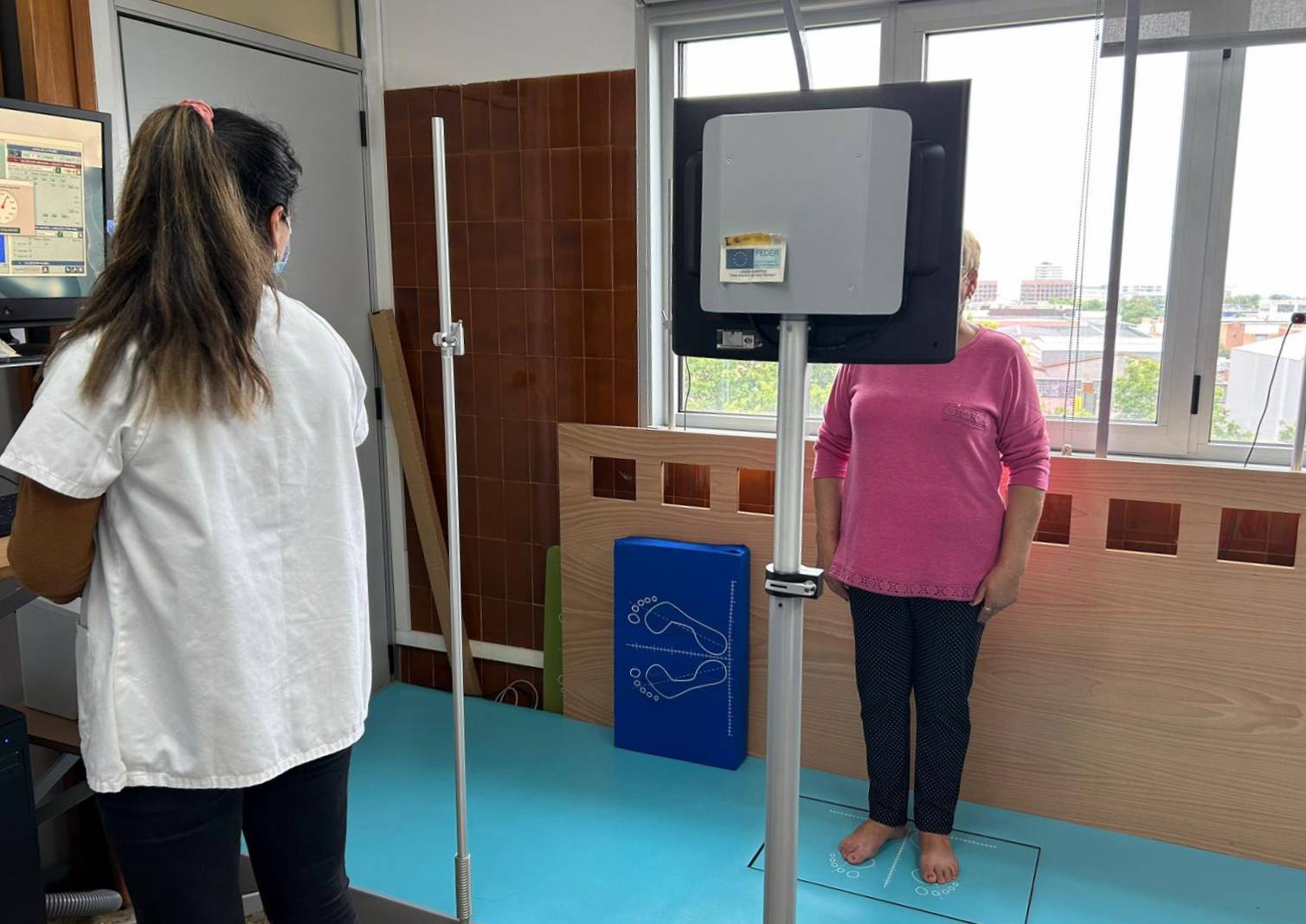
Participants are invited to attend three visits. During the first visit, questionnaires, tests and assessments are carried out to determine physical condition, autonomy and lifestyle. Among other measures, balance is assessed using a platform (posturograph), as well as walking speed and stability.
Six months later, participants receive their results, which are assessed on a case-by-case basis. When a risk of falling is identified, the participant is given a set of exercises adapted to their abilities to perform at home, aimed at improving the physical condition that may lead to falls.
After a year and a half, a third visit allows the research team to analyse the evolution of participants who initially presented balance disorders, to a greater or lesser extent, and to identify any changes.
In addition to face-to-face visits, follow-up phone calls are made every two months to find out whether falls have occurred and to analyse their causes in greater depth.
All this information is analysed together to test the study hypothesis regarding the early detection of fall risk in people aged between 68 and 71.
Based on the results of these tests, participants will learn about their current condition and will be able to take action to reduce their risk. In addition, many of these results are recorded in La Meva Salut and, if deemed relevant for health monitoring, the participant’s healthcare team can access them.
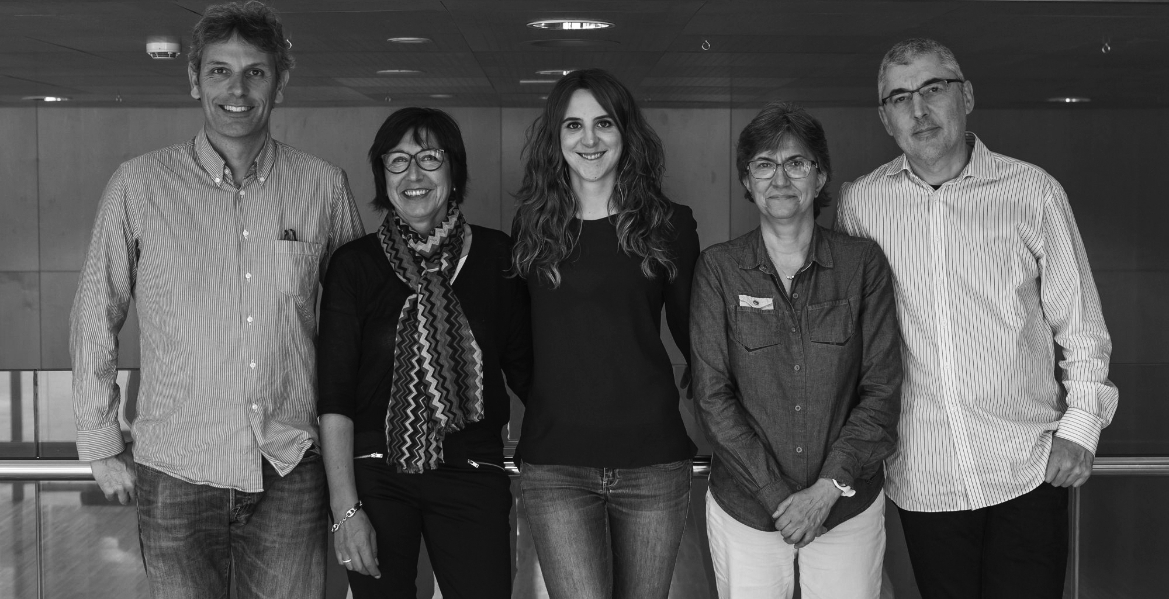
The study is coordinated by the GRIDAES research group from the Northern Metropolitan Research Support Unit of IDIAPJGol. The project involves collaboration with the Universidade da Coruña, the Aging Research Center at the Karolinska Institute, the Germans Trias i Pujol Health Sciences Research Institute Foundation, and TecnoCampus Mataró. It is funded by European FEDER funds and by Spain’s Ministry of Economy, Industry and Competitiveness.