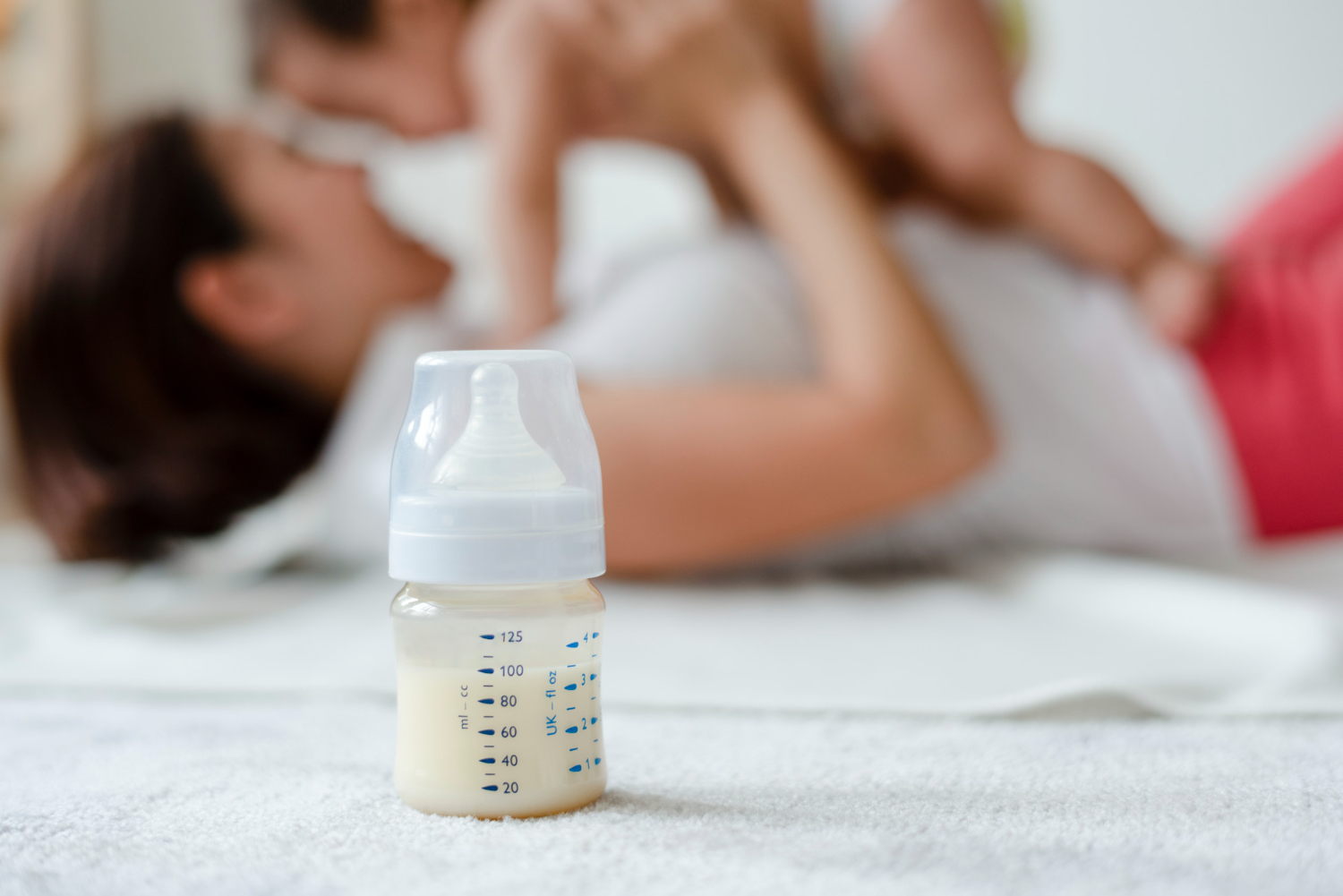
Feeding babies with formula milk has a carbon footprint 500 times larger than breastfeeding, mainly due to the production of cow’s milk and its transformation into artificial milk. This is the conclusion of a study led by the Jordi Gol Institute for Research in Primary Care (IDIAPJGol), published in the Journal of Advanced Nursing.
The study warns that the choice of feeding method affects resource consumption: the water used for formula feeding, which is made from cow’s milk, is four times greater than that used for exclusive breastfeeding and 1.5 times more than that used for mixed feeding. Additionally, cattle farming significantly contributes to the generation of greenhouse gases.
The study points out that breastfeeding remains much more sustainable than any other option, even considering that breastfeeding mothers need to consume more calories in their diet, which also has an environmental impact.
Midwives Judit Cos and Rosa Cabedo, authors of the study, state that “the environmental impacts of formula feeding can influence public health policies and recommendations on infant feeding practices,” adding that “promoting breastfeeding and a sustainable maternal diet, as the most optimal options, can help mitigate some of the climate change-related impacts associated with feeding.”
To ensure proper and environmentally sustainable nutrition, Liudmila Liutsko, a researcher at IDIAPJGol who part of the study was also, recommends “educating both healthcare professionals and the public so that they are aware of the environmental impact of their dietary choices and those they make for their children.”
Green Mother
The study was conducted within the framework of the *Green Mother* project, part of the Sexual and Reproductive Health Care Research Group at IDIAPJGol (GRASSIR), which evaluates the environmental impact of different types of infant feeding.
This team conducts observational studies to assess the environmental impacts of infant feeding methods, including the use of formula, breastfeeding, and mothers’ dietary habits. Their goal is to promote sustainable practices in this area. Currently, the second phase of the project is underway, consisting of evaluating the effectiveness of an educational intervention on breastfeeding, healthy eating, and sustainability.